Dear Nurses

Saturday, August 14, 2021

THE HEART IS ALWAYS AT WORK

 
      The heart is always at work. Even when you are
  asleep, the heart continues to work. Hemodynamics
refers to blood flow.
 
 Any obstruction to the flow of  blood around
the heart, may lead to heart failure.
              Learn more about the heart and the EKG by watching


Wednesday, August 04, 2021

THE CONSEQUENCES OF POOR CIRCULATION

The patient who has heart failure, is also
at risk for stroke, renal failure, mitral valve
regurgitation and damage to the liver.

Reperfusion Therapy is a form of treatment
used for patients who have a MI (Myocardial Infarction)
with STEMI.
To learn more about this topic, please click on the link:
Here
 

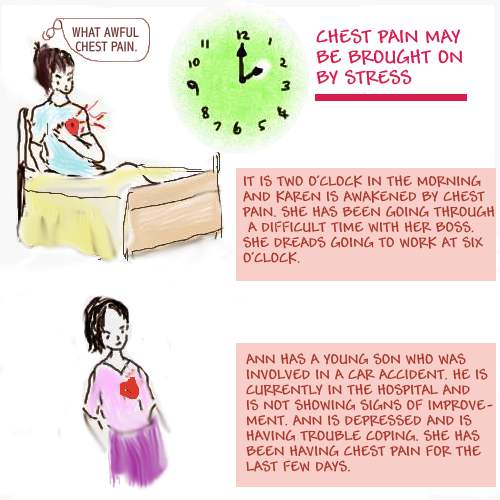
STRESS AND CHEST PAIN

Updated 8/26
 Dear nurses,

Hope your week is going well. How many are
aware that chest pain may be brought on by stress?
Above are 2 examples of chest pain brought on by
stress. You may also watch a related video by clicking
on the link:
Here


Aortic rupture may occur as a result of trauma.
Shortness of breath, chest or upper back pain
are some of the symptoms.

Cardiac Tamponade may be caused by penetrating 
trauma such as a knife wound. Pericardiocentesis
is usually done to remove the blood in the pericardial
sac. Learn more, by clicking on the link below:
 The Circulatory System


WHAT IS THE AORTA? 

The aorta is the largest blood vessel in the body.
It is a very powerful artery and originates in the
heart. The aorta carries oxygenated blood.

It works its way through the chest and abdomen, 
then divides up to supply blood to the legs .

*The heart is a pump that pumps blood around the body.

Common causes of medication errors

 IV infiltration may cause damage to the skin and
surrounding tissue.Learn more about: IV